- The Student Lawyer
- Posts
- The Ban On Ticket Touting: What Future Lawyers Need To Know
The Ban On Ticket Touting: What Future Lawyers Need To Know
Commercial awareness for regional and high street law, by the people doing it.


Victoria Wilson, Sol Han, Fareeda Bakare & Aqua Koroma
November 26, 2025
The Weekly Edge

Need to know
Regulators are moving to clamp down on resale prices above face value, aiming to put an end to the surge in online ticket touting.
Venues and promoters will need to overhaul their T&Cs to close loopholes that allow unofficial resellers to profit at fans’ expense.
Table of Contents
Welcome to TSL’s Weekly Edge, whether you’re aiming for a regional or high-street practice, or just want to get a feel for how law works in the real world beyond textbooks, you’re in the right place.
No corporate jargon, no massive deals, just real useful information designed to give you that extra edge in your legal journey.
🧠Wilson’s Weekly Wisdom
Everyone talks about getting a training contract or apprenticeship, it’s the holy grail of every law student’s journey. But hardly anyone talks about what happens next.
Before I started my training contract, I’d only heard the Professional Skills Course (PSC) mentioned once. But surprise, if you’re not qualifying through the SQE route, you’ve still got this to complete.
During your training, you’ll typically complete six PSC courses, including the Financial and Business Skills module; three days that end with an exam. So if you thought finishing your LPC meant you’d seen the last of exams, think again.
Here’s the thing: landing a training contract, apprenticeship or even qualifying work experience is a massive achievement, but it’s not the finish line. Make sure you understand what comes next. The more you know about what’s waiting on the other side, the better prepared you’ll be when you get there.
How likely are you to recommend The Weekly Edge to another aspiring solicitor? |
💡Spotlight Article
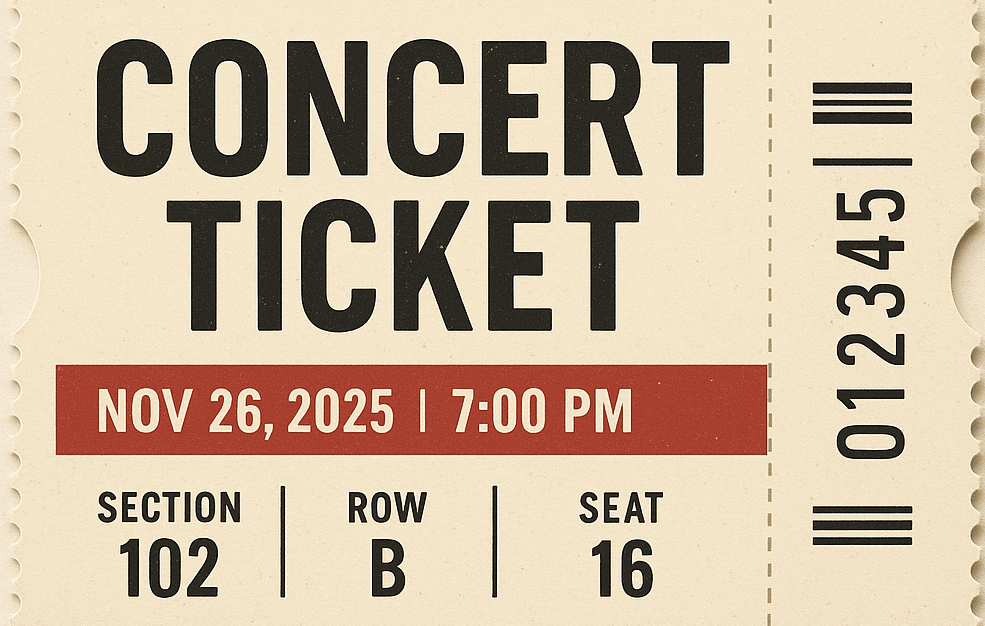
AI Image: Concert Ticket
Would you rather pay £50 to see your favourite artist… or £300? Easy choice, right?
Alright, a tougher one. Say all the £50 tickets disappear in about three seconds flat. Would you cough up £300 to a bold reseller, or skip the gig of a lifetime?
That’s the ridiculous corner fans get shoved into every year. And it’s exactly why the government’s finally stepping in and planning to ban ticket resales above face value.
So here’s the low-down on what’s changing, and why you, the future legal eagle, should care.
🔎What’s happening?
On 19 November 2025, the Department of Culture, Media & Sport, the DCMS, dropped a bombshell.
They’ve said:
Flogging tickets above face value would be no more. If there are extra fees, they’ve got to be small, in proportion and unavoidable.
Resale sites won’t be able to slap on those ridiculous service charges, as there’ll be a cap.
Those same resale platforms now have to properly police all of this, and not turn the usual blind eye.
No more buying a stack of tickets and reselling the lot. You’ll only be allowed to shift what you were actually entitled to buy in the first place.
Why the clampdown?
Because ticket touting has become increasingly nuclear over the years! People have been bulk-buying tickets and flipping them at prices for concerts and sports events, and it’s got so out of hand.
The CMA and Trading Standards have been waving red flags everywhere, and they found:
Price hikes of 50% are the constant norm
Some people are selling tickets for six times what they originally cost.
Tens of thousands of fans get stung every year with fake or worthless tickets.
So the plan is simple:
Do away with the touting game and make it easier and affordable for real fans to get in the door!
And it doesn’t just hit the big resale sites anymore. Social media’s getting roped in too: Facebook Marketplace, Instagram Shopping, X, all of them. If they let rule-breakers run wild, the CMA can clip them with penalties of up to 10% of their global turnover, which is not pocket change!
❓ Why it matters to high street firms
This is exactly the sort of legal shake-up that lands right on a high-street lawyer’s desk. It’s not abstract; it’s the kind of thing clients stroll in with, latte in hand, looking stressed.
The ban still needs to get through the House of Commons, but once it’s in force, brace yourself for:
More small-claims scraps: Think of the mess when someone realises they’ve bought an overpriced ticket that’s now illegal. Who’s on the hook? The seller? The platform? Can the buyer get their money back? These are the everyday headaches people will expect you to untangle.
Zesty contract-law puzzles: What even is an above-face-value resale ticket now? Void? Voidable? Completely unenforceable? It gets knotty fast, and clients will want straight, confident answers.
Fresh compliance burdens: Resale platforms are about to be dragged into the deep end. They’ll have to monitor listings properly, cap prices, block fishy behaviour, report breaches and the rest. That means loads of advisory work, drafting, and operational clean-up for lawyers.
T&Cs getting ripped up everywhere: Venues, promoters, platforms. All of them will need new refund rules, new ways to handle duff tickets, clearer definitions of “original cost”, and updated consumer notices. Classic solicitor work, and absolute gold if you want to highlight commercial awareness in interviews.
New laws always shake things up in fun, slightly chaotic ways, and that’s why keeping on top of commercial updates matters. Any solicitor worth their weight in salt wouldn’t want to be the one who’s still giving last year’s advice.
Dynamic Pricing
When the original ticket seller bumps up prices on the fly, depending on how many people are trying to buy. You could say it’s the same trick airlines use when they know everyone’s trying to fly home for Christmas.
Why’s it a big deal?
Because people pushing back against the touting ban are worried about this exact loophole: if resellers can’t make the extra cash anymore, the original sellers might just jack up the prices themselves and pocket the profit before anyone else gets a chance.